
The Sound, Smell, and Feel of Nature
- nwriversphotograph
- May 18
- 4 min read


When I recently published my blog Low Tide, a good friend emailed to tell me I had forgotten something very important. She said I was so focused on the visuals that I forgot about the scents. She reminded me that low tide is almost always associated with a pungent, nutrient rich odor, and that being in proximity to water in any form always has a smell. It might be the stench of decaying vegetation or the tang of salt on the ocean, the somber, heavy (and moist) closeness that you feel immersed and wrapped in a dense fog or heavy rain, or that clean and fresh scent of fast-moving rivers and streams.

It is a great point. I often comment on the sight, smell, sound, and feel of the surrounding environment with my photography, but in this case I forgot. I shouldn’t
have, as all are part of what makes my love affair with water, and nature, so important and real.

I learned the value of audio and the smell of water when I first started as Conservation Director with the national river conservation organization American Whitewater (early 1990’s). We were working to restore rivers that had all or most of their flows blocked by dams. I was working with board member and river advocate Pete Skinner in New York, and in an early meeting he referenced the importance and value of the sight, smell, and sound of running water. At first, industry and regulating agencies thought we were nuts! But soon, the agencies started inserting the “audio and visual” significance into many new requirements – which we used to great effect on flow restoration (and later, on dam removal). Pete also said that “a river without water is just a ditch.” A ditch -- no sight or sound of water running over rock, or cascading over falls, no whiff of purity, no sense of beauty or freedom. I’ve never forgotten his leadership on protecting clean, free-flowing rivers!

Of course, sound and smell and feel are not limited to water in nature. Walk out your front door in the spring and hear the songs of birds and the smell of lavender or pine. Stroll into the woods and breathe the fresh, earthy, and calming scent of ferns, moss, and damp soil. Plant your garden, or just cut your grass! All offer each of us an intimate, sensory connection to nature that reduces stress and improves our mood and the ability to face those new challenges that tomorrow is sure to bring.

And like everything in nature, the sights, sounds, and smells are constantly changing depending on the season, time of day (listen for the chorus of evening frogs), as well as the weather in terms of humidity, temperature, the angle and abundance (or not) of the sun and the rotation of stars at night. Feel – well there is a big tactile difference between a sunny May morning and late February in a snowstorm. Taken together, this combination of sights, sounds, smells and feel provide a complete picture, often triggering memories of past experiences and destinations – and with the ability to transport us instantly into a more tranquil, beautiful , and relaxed state of mind.
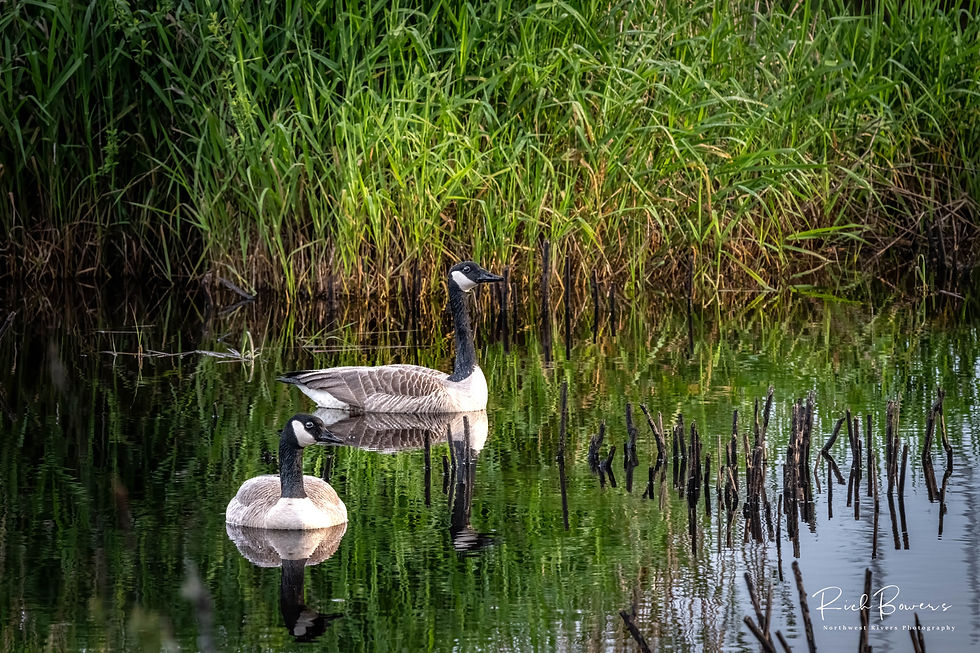
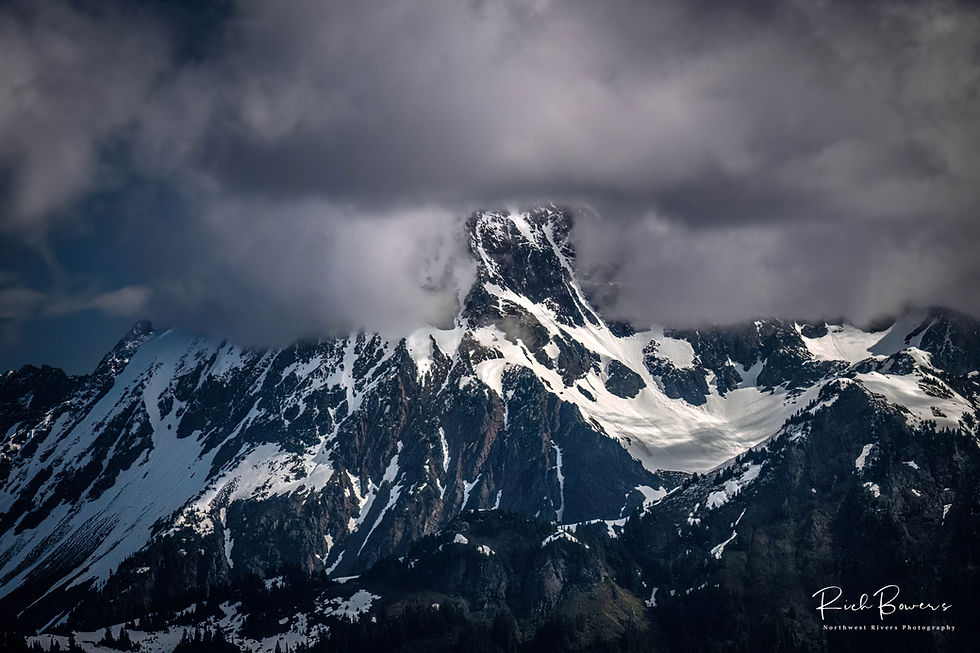
As a photographer, the goal is to bring all of this into an image and transform a two-dimensional image (height and width) into a fully immersive experience. Good coastal images let your mind smell the salty ocean. Fall colors evoke the crunch of leaves underfoot. Wildlife photos bring the feel and even the smell of feather and fur. Dark snowy images make you shiver and pull on a hoody. Deep, clear pools of water make you want to jump in!

This is not easy to accomplish. A great photojournalist (a visual story teller) uses light, texture, perspective, and composition to bring life to the subject. A wide-angle lens lets a photographer capture the vastness of nature, while a telephoto can bring nature within arm’s reach. A slight shift in aperture can change moving water from soft, dreamy, and out-of-focus to a rushing downhill torrent with each droplet and splash in precise detail. Sometimes, blurring the background heightens the feeling of proximity or intimacy. And how light is reflecting really sets the mood – from colorful and light to dark and foreboding.
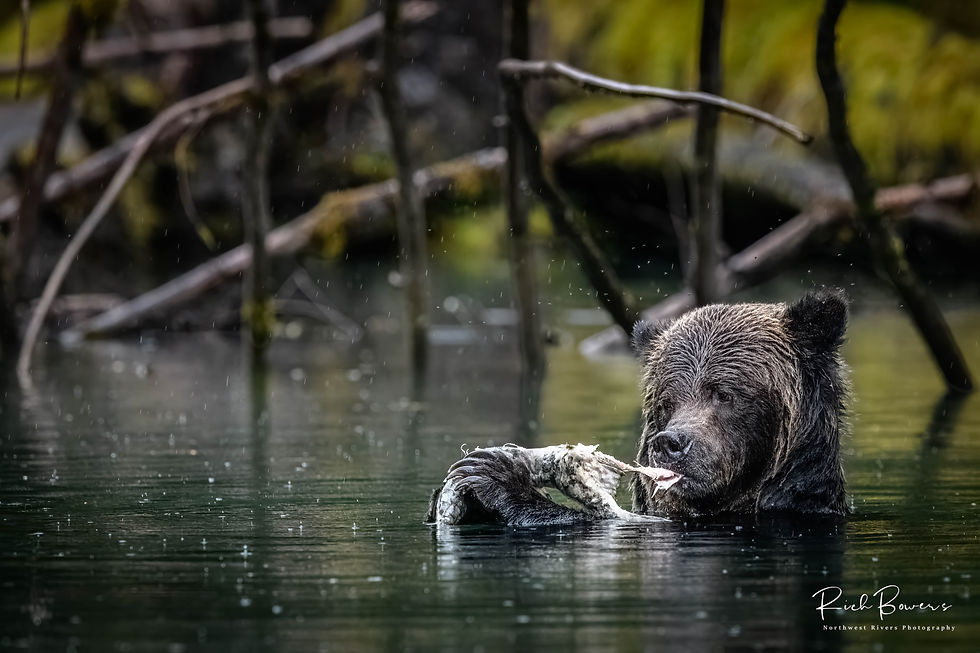
Not all photos are able to capture all of that. Certainly only a few of mine reach that level. So my blogs are used to help tell the story, to give the background, to set the tone. But every once in while a photo emerges from the camera and I can sit back and feel that my photo has a life of its own, that it will transport others to a different and wonderful place – to see and hear that bear wandering up the creek, the feel of soft fur, the smell of low tide, or the song of the red-winged blackbird among the cattails.

I was glad my friend wrote to me about including the smell of low tide, of nature, and her comment made me smile. I think (and hope) my photos swirled her away to the tidelands, where water meets grass and mud, where herons hunt and peck in the shallows. They prompted her memories enough to say “hey, something is missing.” I hope that all of my photos provide just enough to allow viewers to fill in the blanks (sound, smell, feel), and, if just for a moment, find themselves somewhere different and beautiful.


Comments